
Posted on December 26, 2024 by Delhi Audio
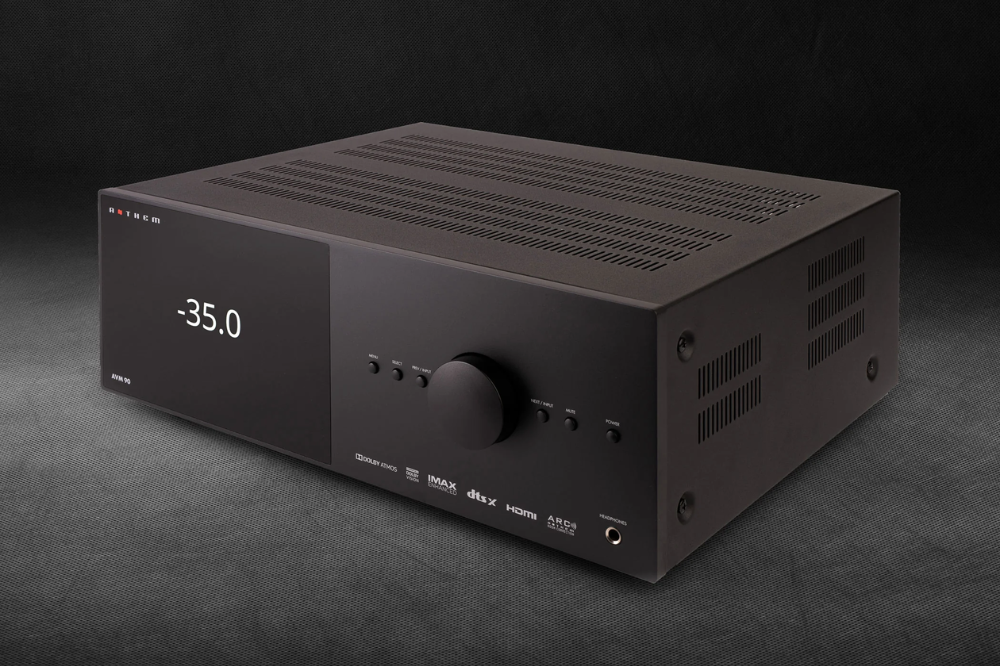
An AV receiver (Audio Visual receiver) is a key component to a modern home theatre system. It receives and manages primary voice and video equipment. If you are a movie buff, music junkie or a gamer, an AV Receiver is the one thing that should be there for you such that you enjoy the entertainment with all comfort and richness of quality. In this blog, we will explain what an AV receiver is, what functions it has, as you probably know by now, what you need if you are going to have an AV set up in your humble abode.
What is an AV Receiver?
An AV receiver is a piece of electronics that takes the audio and video signals from a bunch of sources (i.e. Blu-ray players, game consoles, streaming devices), amplify and process them. Since it is the central control unit in your entertainment system, it sends the video signal to the TV or projector, and the audio signal to speakers. It’s a preamplifier, amplifier, and video switcher all in one, making setting up your home theatre a breeze.
- AV Receiver Key Functions
1. Audio Processing and Amplification: One of the main responsibilities of an AV receiver is to convert any multi channel audio included in Dolby Atmos or DTS:X, into streams that can be sent to the speakers. Heater up to movies surround sound and sport music like high quality stereo sound and with audio signals, the audio receiver is amplified and produces a strong listening effect.
2. Video Switching and Conversion: Then the video signals from gaming consoles and Blu-ray players and some Streaming boxes come inside and to the AV receiver. It takes the video output and processes to send to your TV or project. High end models boast upgrades with upscales, so your lower resolution video signals look better.
3. Connectivity: One of the things AV receivers are renowned for is their numerous input and output options. Typically they support HDMI, optical and coaxial connections so you can connect multiple things at a time. There are also some models that offer wireless connectivity options such as Bluetooth and Wi Fi and you are able to stream from your smartphone or computer.
4. Room Calibration and Sound Optimization: Automatic room calibration — features available in many AV receivers (though not all) — optimizes the sound of a room by measuring various parts of the room's acoustics and compensating for the size of the given room. No matter what your home setup entails, the sound will be tuned for the experience with technologies like Audyssey and YPAO (Yamaha Parametric Room Acoustic Optimizer).
Choosing the Right AV Receiver
So when you go in to shop for an AV receiver you have to ask yourself: do you need more HDMI inputs and outputs? Does the receiver support the latest audio including Dolby TrueHD or DTS-HD Master Audio? And of course, how much power is the receiver going to put out to drive your speakers? Also, be sure the receiver supports the latest video formats, like 4K Ultra HD and HDR (High Dynamic Range) so your system will future proof.
Perhaps most importantly, it’s crucial to make sure the receiver works with your already existing and planned future devices, and when that includes smart home integration, well that’s even a little more important. Today’s receivers have voice control via Alexa, Google Assistant, and other platforms, and many of them are capable of offering hands free experience.

Share:
Compact Sound, Big Impact: Exploring Bookshelf Speakers
Revolutionizing your home theater experience with a 4K projector